

Tennis offers speed, power, and excitement. Fans expect strong matches and fair play. But not every match begins. At times, a player wins without hitting a shot. This leaves many asking, what does walkover mean in tennis?
The letters “W/O” on a match sheet tell the story. One player moved ahead. The opponent could not start the match. Many fans feel confused. They wonder what caused it and what it means for the event.
Walkovers happen more often than most think. They occur in early rounds or deep into major tournaments. Famous names and new players alike face them. The reason does not change. A walkover lets the schedule stay smooth.
This guide explains the full meaning. You will learn when it happens, how it affects results, and what it means for prize money and points. Each part matters to fans, players, and anyone who follows the sport.
What Is a Walkover in Tennis?
A walkover means one player advances because the other cannot start the match. No point is played. No serve is made. The match ends before it begins.
This outcome does not count as a win or a loss in the record. It simply moves one player forward to the next round. The match result shows as “W/O” in the draw.
Several things can cause a walkover:
- A player gets injured before the match.
- A sudden illness makes it unsafe to compete.
- A delayed flight or visa issue blocks travel.
- A family crisis demands urgent attention.
- A player misses check-in or breaks event rules.
The walkover rule helps tournaments stay on time. It protects players’ health and keeps the event moving without delay. Each match slot must be filled, even if one player cannot appear.
How Walkover Differs From Retirement
Many fans confuse a walkover with a retirement. These two results are not the same.
A walkover happens when a player cannot begin the match. The match ends before the first point. The other player moves forward without play.
A retirement happens after the match starts. One player begins to play but cannot finish. The match ends early, and the score stands as it was.
Here’s a clear example:
A player injures their foot during warm-up. They cannot serve. That is a walkover.
If the injury happens during the second set and they stop, that is a retirement.
Walkovers leave no score on the sheet. Retirements show the final score up to the point of exit. Both are rare but part of the game.
Walkover vs Default: Key Rule Difference
A default is another match outcome that confuses many fans. It looks similar to a walkover at first glance, but the cause is very different. A default happens when a player is removed because they broke a rule. The reason may involve misconduct, abuse of equipment, or actions that harm the spirit of the game. A default can also come from unsportsmanlike acts that force the officials to step in.
A walkover does not connect to bad behavior. It comes from injury, illness, or personal hardship. A default is rare, but it sends a strong message. The player loses the match. They may face heavy fines or longer restrictions. Tournaments protect fairness with this rule, and it stands apart from walkovers and retirements.
Top Reasons Why Players Give a Walkover

Walkovers take place in both small and major tennis events. They can happen early in the draw or during the final rounds. No player plans for it, but sometimes they cannot compete. These are the most common reasons:
Injury Before Match Start
Tennis places a heavy load on the body. A player may feel sharp pain before stepping on court. Back strain, pulled muscles, or sore knees can stop them. If the injury seems serious, they choose not to risk it. Playing hurt could make the problem worse. In that case, they give a walkover to avoid long-term damage.
Illness or Fever
A virus, stomach pain, or high fever can strike without warning. A player may feel fine the day before but wake up sick. If they cannot breathe well or stay steady, they should not play. The tour does not punish players for honest health issues. A walkover keeps them safe and avoids spreading illness.
Travel Delays or Visa Problems
Many players travel across countries to join tournaments. Flights get delayed. Weather cancels trips. Some players face visa issues at the last minute. If they cannot reach the court in time, they must give a walkover. This happens more in global events where rules and routes vary.
Emotional Stress or Family Emergencies
Tennis is a mental game. If a player suffers a loss in the family or feels extreme stress, they may need time off. Some deal with anxiety or pressure that blocks focus. In these cases, the player can withdraw. A walkover helps protect their peace and gives room for recovery. Tours today respect mental health more than ever.
Late Arrival or Rule Violation
Tournaments set fixed times for player check-in. Each player must report early, warm up, and be ready. If someone arrives late without a strong reason, they lose the match. A walkover is then given to the opponent. This keeps the event running on schedule and teaches discipline.
These reasons show that walkovers are not always about poor effort. Often, they reflect real limits. Health, timing, and life outside the court can affect any player. The rule protects both sides and keeps the game fair.
What Happens in Singles vs Doubles
Walkovers follow the same basic rule in both singles and doubles. Still, the outcome looks a bit different.
In singles, it is simple. If one player cannot start the match, the opponent moves forward. The draw shows “W/O,” and the match ends without play.
In doubles, things get more complex. Each team has two players. If one cannot play, the entire team must withdraw. The match ends before it begins, and the opposing team advances.
Most professional events do not allow partner changes once the draw is final. Even if the other player is fit and ready, the team cannot compete without both members. Substitutes are rare and only used in special events, such as juniors or exhibition matches.
This rule keeps fairness in place. It also ensures that teams prepare and register with full commitment before the event begins.
How Do Draw Sheets Show Walkovers?
Tournament draw sheets use simple signs. When a walkover happens, they show the letters “W/O” beside the winning player’s name. This means the match did not take place.
You will not see a score. You will not see stats or time played. Just “W/O” fills the result spot. The next round shows the advancing player as if they won.
TV or live coverage may skip the reason. They often move on without detail. But the draw gives a clear message. One player moved forward. The other could not start the match.
Fans checking online or in person can spot this at a glance. It keeps the record clean and helps everyone follow the event without confusion.
Do Walkovers Count as Wins?
No. A walkover does not count as a match win. It does not add to the player’s win-loss record. Since no point is played, the result is not official in terms of stats.
Still, the player who moves forward gets full rewards. They receive:
- Ranking points for that round
- Prize money tied to that stage
- A place in the next match
These rewards match what a played win would give. But the match itself does not improve the player’s personal record.
In short, the player moves ahead and earns benefits, but they do not gain a true win on paper. The walkover fills the gap, not the record.
Walkovers and Head-to-Head Stats
Head-to-head records matter to fans and analysts. They show how one player performs against another. A walkover does not enter these numbers. The match never starts, so the score stays untouched. The record remains based on past real matches alone.
Fans may think a walkover shifts the rivalry, but it does not. The draw moves on, yet the record stays pure. Only played matches shape the rivalry. Walkovers move the bracket but never change the direct history between players.
Crowd energy and team chants shape every sport. See how softball fans bring spirit with gear, rituals, and cheers in this complete game guide to chants, mitts, and playbooks.
Does the Other Player Face a Penalty?
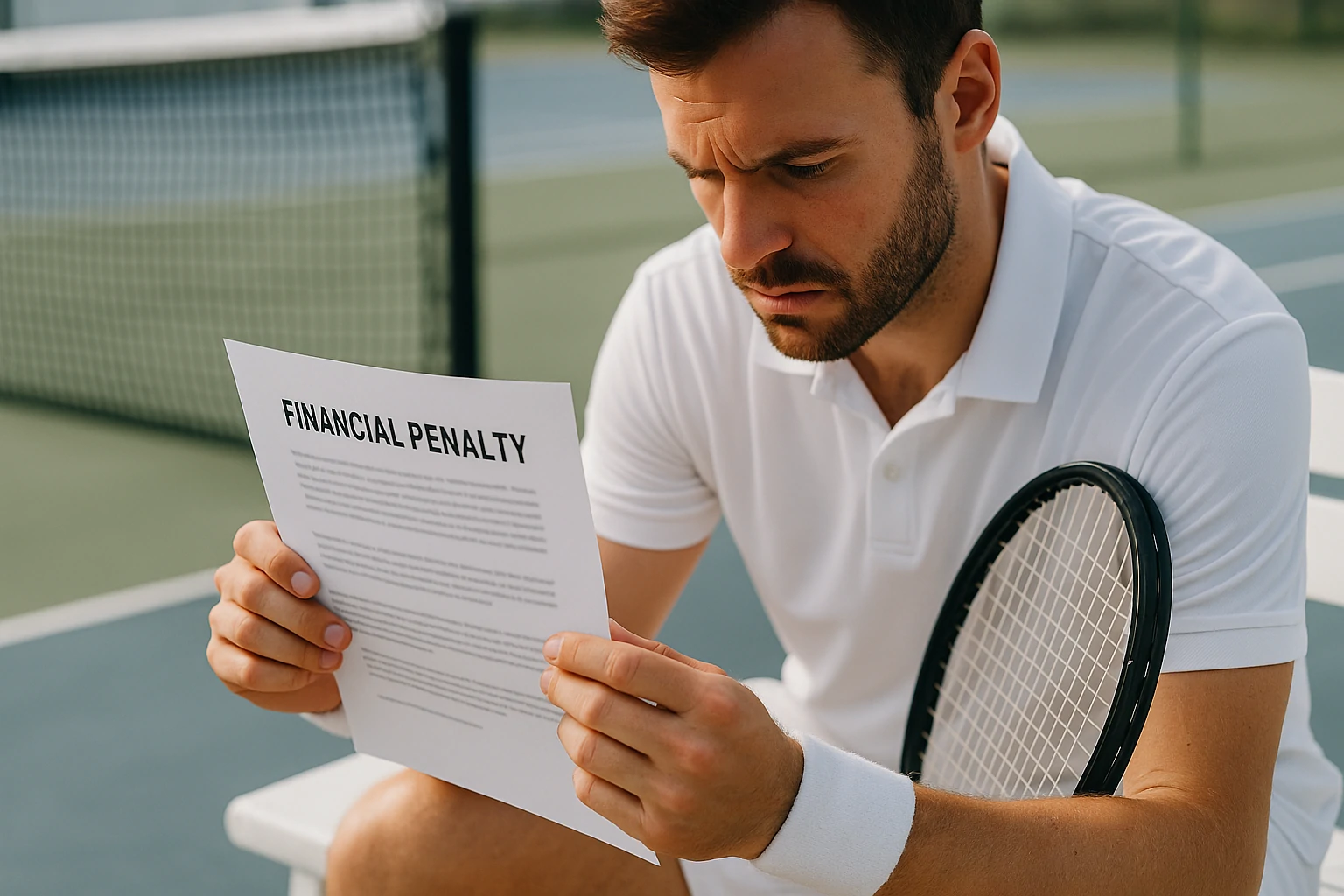
Players do not always face punishment when they give a walkover. If the reason is fair, the tour accepts it. Health issues, sudden illness, or a family crisis often meet the rules. In most cases, the player must show proof. A medical note or travel report is enough. When the reason is clear and honest, no fine or warning follows.
But some players withdraw without a strong excuse. They may want to save energy or play in another event. This can cause problems. The tour may fine them or take away their appearance money. In some cases, the player receives a warning. If it happens again, the review may lead to a ban or blocked entry in future events.
The rules exist to protect fair play. Players must respect the schedule and give their best effort. Walkovers are allowed, but not for weak or selfish reasons. The penalty depends on the cause. Honest cases pass without harm. Poor choices can cost a lot more.
Prize Money Rules After a Walkover
Tennis rewards players based on how far they go. If a player reaches the next round through a walkover, they still get full prize money for that stage. The payout does not change, even if the match did not happen.
The player who withdraws often keeps the money earned in earlier rounds. That amount does not change unless the tournament questions the reason. If there is no valid proof, the player may lose part of their pay.
Each event sets its own rules. Some ask for clear medical proof before releasing payments. Others check the player’s reason and past record. These steps help protect the prize system and ensure players follow the rules.
Does a Walkover Change Rankings?
Yes. A walkover can change the Tennis rankings in a tournament. The player who moves forward gets full ranking points for that round. It does not matter that no match was played. The points are the same as if they had won on court.
The player who withdraws gets no extra points. Their ranking stays based on earlier results. A walkover does not remove points, but it stops the chance to gain more.
This makes walkovers important. They do not count as wins in match records, but they can still improve a player’s ranking. Each round holds value, and a walkover keeps one player in the race.
Walkovers in Team Competitions
Team events add another layer to walkover rules. Matches in the Davis Cup, Billie Jean King Cup, United Cup, and other team formats carry points for the group. A walkover can change the score of the entire tie. If a player cannot start a match, the opposing team gains the point without play.
Teams must adjust fast. Captains may shift lineups to protect their roster. A single walkover can change momentum in a tight matchup. It also tests depth. Strong teams rely on more than one star. A walkover in a team event has more weight than one in a solo tournament. The loss hurts not just the player but the full group.
Examples From Pro Tours
Walkovers happen at every level of tennis. Even top players have withdrawn before a match. These real cases show how common and serious walkovers can be.
In 2016, Roger Federer pulled out of the French Open before a big match. He had a back injury and could not compete. His opponent advanced without stepping on court. This showed how even legends must protect their health.
In 2021, Naomi Osaka withdrew from Roland Garros. She made the choice to care for her mental health. Her walkover sparked a global discussion about pressure in sports. Many fans and players supported her decision.
Smaller events often see more than one walkover in the same round. Some players get hurt. Others face travel or stress. These cases remind fans that the game is tough, both physically and mentally. Walkovers keep the tour running when a player needs to step back.
Walkovers in Grand Slam Tournaments
Walkovers appear in Grand Slams, but not as often as in smaller events. The stakes are high, and players enter these events with full focus. They train hard and arrive early to avoid late issues. Still, injuries do strike. Long matches in early rounds can drain the body and push players to withdraw from the next round.
Crowds at Slams feel the impact more than most. These events bring huge audiences who expect full matches. A walkover can shift the entire schedule of a day session. It can also give the advancing player extra rest, which may help in later rounds. Grand Slams do not escape walkovers, but they do see fewer than regular events because players treat them as peak moments.
How Do Fans React?

Fans often feel disappointed when a match ends before it starts. Some buy tickets to watch a favorite player. Others tune in on TV to catch a key matchup. A walkover removes that moment. It changes the schedule and takes away the match they came to see.
Even with the letdown, many fans show support. They understand that injuries and health issues are part of the sport. Today’s tennis world speaks more about rest, mental strength, and safety. Fans now care about the person as much as the game. Walkovers may hurt the mood, but most people respect the reason.
Do Walkovers Affect Bets?
Yes. A walkover can affect bets in big ways. Most betting sites cancel the wager if the match does not begin. The player did not play, so the result does not count.
Some sites have special rules. They may require one full set or a certain number of games to be played. If the match ends before that point, the bet is void.
Each platform is different. Before placing a bet, check the terms. A walkover may protect your money, but it can also stop a sure win. Knowing the rule helps you stay smart with every choice.
Do Walkovers Break Winning Streaks?
No. A walkover does not count as a win, so it does not change a winning streak. The player stays on the same match count. If they were undefeated before, they still are. The streak stays in place because no point was played. The record does not grow, but it also does not stop.
Walkovers help a player move forward, but they do not add to official wins. The streak lives on, untouched, until the next real match takes place.
Are Walkovers More Common in Men’s or Women’s Tennis?
Walkovers happen in both men’s and women’s tennis. No clear data proves one tour sees more than the other. Both face the same issues—injuries, stress, travel problems, or illness. Players in both groups give walkovers when they cannot compete.
Some people think women’s matches have more walkovers. That view lacks proof. Each tour has its own pace and challenges. Walkovers depend on the moment, not the gender. Every player deals with pressure and physical demands.
What If Both Players Withdraw?
It does not happen often, but sometimes both players leave the draw. When that happens, the tournament finds a “lucky loser.” This is a player who lost in the qualifying rounds but stayed available. They get the open spot in the draw and move to the next round.
If no lucky loser is ready, the player waiting in the round after may also get a walkover. This keeps the schedule on track and gives the tournament a clean result. It’s rare but part of the rules.
Walkovers in Junior and Amateur Levels
Junior and amateur tennis follows similar rules, but there are small differences. Many junior events allow limited substitutions in doubles. If a young player gets hurt before the match, a new partner may step in. This is rare but allowed in some circuits to support growth and fair play.
Amateur leagues often show more walkovers due to busy schedules, travel issues, or school duties. Players sign up with good aims but may face sudden changes. Walkovers keep the brackets moving, but they also teach responsibility. Many events ask players to confirm matches early to avoid late gaps.
These rules protect new players and help them learn match discipline. The system gives young athletes room to grow without harsh penalties.
To better understand how scores, results, and no-play outcomes appear in match stats, check out this guide on using the Cricketeer Scoreboard like a pro. It explains how to handle incomplete games, sync results, and manage sudden match changes.
Conclusion
Walkovers play a quiet but important role in tennis. They happen when one player cannot start the match. The other moves on without hitting a ball. It may not be fun for fans, but it helps the tournament stay on schedule.
A walkover brings no score, no stats, and no real win. Still, it brings prize money and ranking points. The system rewards the player who is ready while protecting the one who cannot play.
Now you understand what “W/O” means on a match sheet. You know how it affects records, rankings, and rules. Walkovers are not just gaps in play. They are part of what keeps the game fair, honest, and safe.
This post shares general information only. It does not give legal or sports advice. Check official rules or speak with a professional for details about your case or event.