
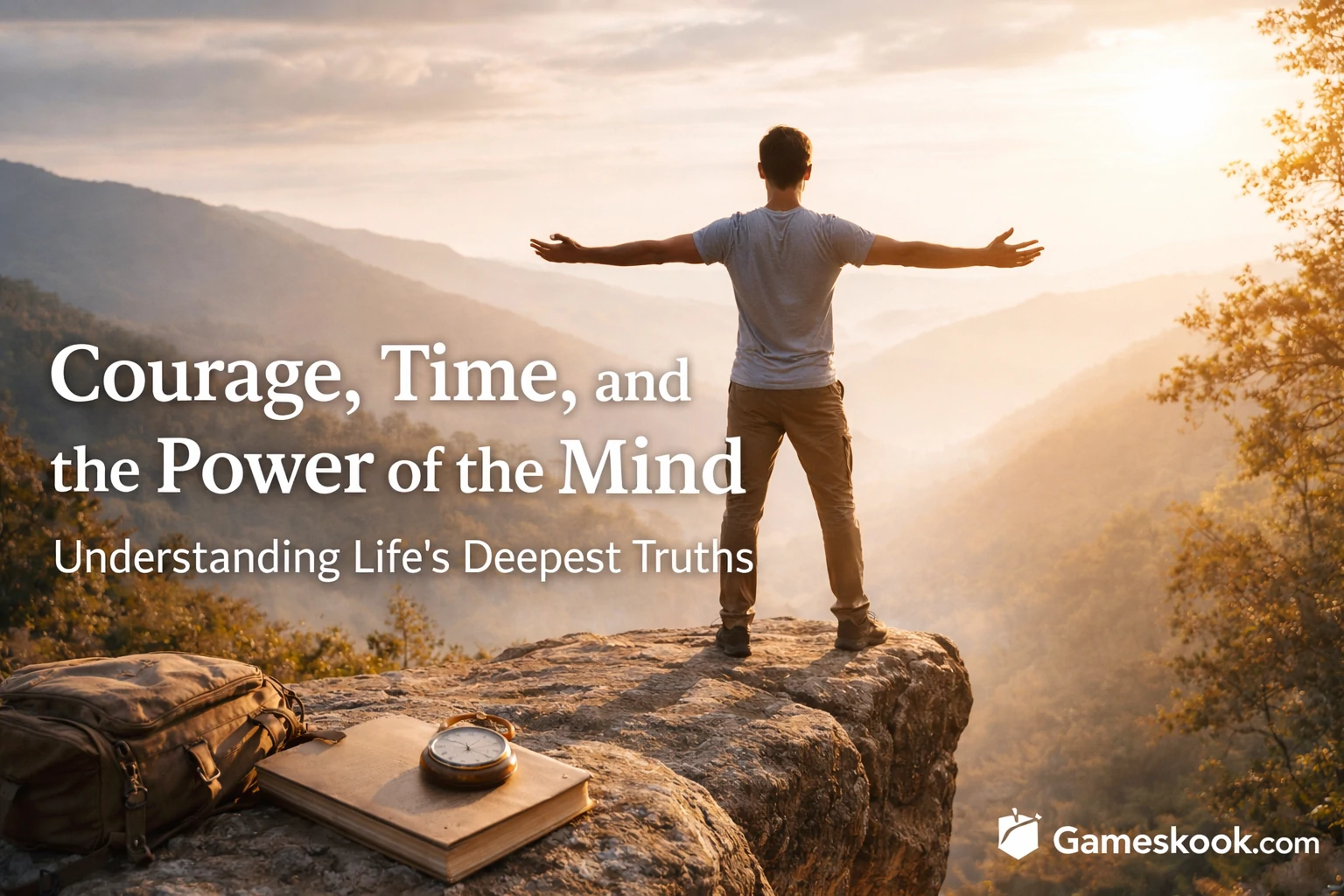
He who jumps into the void owes no explanation to those who stand and watch. There are years that ask questions and years that answer. The mind is its own place, and in itself can make a heaven of hell, a hell of heaven.
Introduction: Three Lines That Define Inner Freedom
“He who jumps into the void owes no explanation to those who stand and watch. There are years that ask questions and years that answer. The mind is its own place, and in itself can make a heaven of hell, a hell of heaven.” These powerful statements explore courage, patience, and perception. They speak to personal choice, the rhythm of time, and the extraordinary power of the human mind. Together, they reveal how meaning is created not by observers, but by those who dare to live consciously.
The Courage to Leap Without Explanation
Choosing an unconventional path often invites judgment. Those who “stand and watch” feel entitled to explanations, yet they bear none of the risk. Jumping into the void symbolizes taking bold action despite uncertainty. It represents decisions driven by inner conviction rather than external approval. True courage does not seek validation. When a choice is deeply personal, explanation becomes unnecessary. The person who leaps understands the reasons; spectators do not need to.
Why Not Everyone Will Understand
Human experiences are deeply individual. What feels like freedom to one person may look like recklessness to another. Explaining every decision to others can weaken resolve and invite doubt. Silence, in such cases, is not arrogance but clarity. Those who act from self-awareness accept that misunderstanding is part of independence. Growth often requires stepping away from collective comfort and embracing personal truth.
Responsibility Belongs to the Doer
Jumping into the void also implies accountability. When individuals choose boldly, they accept consequences fully. This acceptance removes the need for justification. Responsibility strengthens character and builds confidence. Living authentically means standing by decisions even when outcomes are uncertain. Freedom and responsibility always move together.
The Seasons of Life and Time’s Wisdom
“There are years that ask questions and years that answer” reflects the natural rhythm of life. Not every phase offers clarity. Some years are filled with confusion, doubt, and searching. These periods are not failures; they are necessary stages of growth. Questions shape identity, challenge beliefs, and prepare the mind for deeper understanding.
Real stories often reflect this rhythm of questioning and understanding. The life journey of Melissa Lynn Henning-Camp shows how faith and love can endure even during years shaped by loss and uncertainty.
Patience During the Questioning Years
Modern culture demands immediate answers, but life does not operate on deadlines. Questioning years teach patience and humility. They encourage reflection and exploration. During such times, progress may feel invisible, yet it is happening internally. These years build emotional strength and self-knowledge that quick answers cannot provide.
When Answers Finally Arrive
Answering years feel calmer and more grounded. They bring clarity not because life becomes easier, but because understanding deepens. The answers often arrive quietly, through experience rather than explanation. They may not resolve every question, but they provide enough direction to move forward with confidence. Without the questioning years, these answers would have no meaning.
The Mind as a World of Its Own
“The mind is its own place” highlights the immense power of perception. External circumstances matter, but interpretation matters more. Two people can live in identical conditions yet experience entirely different realities. The mind shapes emotional experience by assigning meaning to events. This makes it both a source of suffering and a source of peace.
Creating Heaven or Hell Within
Thought patterns determine emotional states. Gratitude can turn limitation into contentment, while resentment can turn comfort into misery. This does not deny real hardship, but it emphasizes internal control. A disciplined mind can find hope in difficulty. An undisciplined mind can create despair in abundance. Understanding this power is the first step toward mental freedom.
Responsibility for Inner Climate
Recognizing the mind’s influence places responsibility on the individual. While external events are not always controllable, reactions are. Developing awareness of thoughts allows choice instead of automatic response. This awareness transforms emotional life. When individuals learn to guide their thinking, they gain the ability to change their experience without changing circumstances.
Connecting Courage, Time, and Mind
These three ideas are deeply connected. Courage to leap requires trust in one’s mind. Questioning years strengthen perception and resilience. The mind, shaped by time and experience, ultimately defines reality. Together, they form a philosophy of self-mastery. Living fully requires bold action, patience with uncertainty, and conscious control of thought.
Conclusion: Living Without Apology
Life does not demand explanation for every brave choice. Some journeys must be taken alone. Time will ask its questions, and in its own moment, provide answers. Through it all, the mind remains the most powerful force shaping experience. When individuals trust themselves, respect time’s rhythm, and master their inner world, they create a life defined not by observers, but by meaning, courage, and clarity.
Become a Gamer Challenger by mastering skill, focus, and smart decision-making-where consistent play leads to real wins.